
NOCO Genius1 Battery Charger Manual: A Comprehensive Guide
This manual provides detailed instructions for the NOCO Genius1, utilizing high-frequency technology for efficient battery charging and optimal performance․
The NOCO Genius1 is a versatile, compact, and fully automatic smart battery charger designed for 12-volt lead-acid batteries․ It’s engineered with advanced technology to deliver efficient and safe charging for a wide range of battery types, including flooded, AGM, and gel․ This charger utilizes high-frequency switch-mode technology, converting AC power to DC power effectively․
Its onboard microcomputer continuously monitors the battery’s state, adjusting the charging process to minimize power loss and maximize battery life․ The Genius1 is incredibly user-friendly, featuring one-touch operation and multiple safety features, making it ideal for both novice and experienced users․ It’s a reliable solution for maintaining optimal battery health in cars, motorcycles, boats, and more․
What’s Included in the Box?
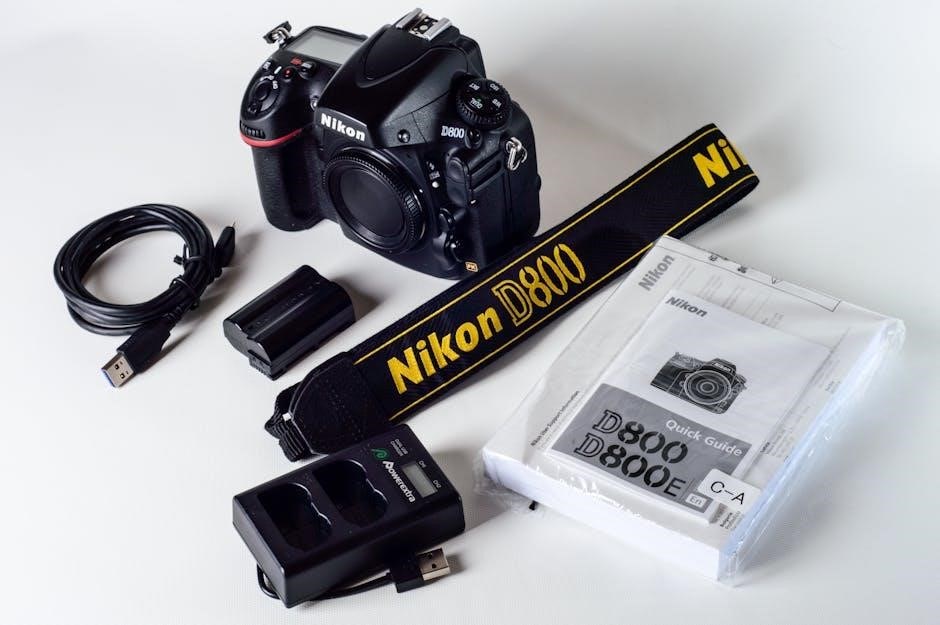
Upon opening your NOCO Genius1 package, you’ll find several key components ensuring a successful charging experience․ The box contains the Genius1 battery charger unit itself, a detachable battery clamp connector with a 40-inch cable, and a detachable ring terminal connector, also with a 40-inch cable․
Additionally, the package includes a detailed user manual providing comprehensive instructions and safety guidelines․ You’ll also receive a quick start guide for immediate use, and a product registration card to activate your warranty․ These components allow for versatile connectivity to various battery types and configurations, offering a complete solution for maintaining your 12V lead-acid batteries․
Key Features and Benefits
The NOCO Genius1 boasts several standout features․ Its high-frequency switch-mode technology ensures efficient and rapid charging, while the integrated onboard microcomputer optimizes the process for maximum battery life․ This charger is incredibly compact and lightweight, making it easily portable for various applications․
Key benefits include multi-stage charging for optimal battery health, and compatibility with 12V lead-acid batteries, including flooded, AGM, and gel types․ It also features reverse polarity protection and short-circuit protection, enhancing safety․ The Genius1 is designed to be user-friendly, offering a simple one-button operation for effortless charging․
Understanding Battery Charging Technology
Battery charging involves converting AC power to DC, utilizing advanced technologies like switch-mode conversion and onboard microcomputers for efficient power delivery․
High-Frequency Switch-Mode Technology Explained
The NOCO Genius1 employs high-frequency switch-mode technology, a significant advancement over traditional linear chargers․ This method efficiently converts AC power into safe DC power for battery charging, minimizing energy loss during the conversion process․ Unlike older technologies, switch-mode chargers operate at much higher frequencies, allowing for a considerably smaller and lighter charger design without sacrificing performance․
This technology utilizes transistors switching on and off rapidly to regulate the power flow, resulting in greater efficiency and reduced heat generation․ The compact size and improved efficiency make the Genius1 a superior choice for various battery charging applications, offering a powerful yet portable solution for maintaining optimal battery health․ It’s a key component in the charger’s overall effectiveness․
The Role of the Onboard Microcomputer
The NOCO Genius1 features a sophisticated onboard microcomputer that serves as the “brain” of the charger․ This intelligent system precisely controls the entire charging process, constantly monitoring battery voltage, current, and temperature․ It dynamically adjusts the charging parameters to optimize performance and prevent overcharging, extending battery lifespan and ensuring safety․
The microcomputer facilitates multiple charging modes tailored to different battery types – standard, AGM, and Gel – automatically selecting the most appropriate settings․ It also manages diagnostic functions, detecting issues like sulfation or deep discharge, and initiating recovery procedures․ This advanced control ensures efficient and reliable charging every time, maximizing battery health․
Minimizing Power Loss During Charging
The NOCO Genius1 employs high-frequency switch-mode technology, a key factor in minimizing power loss during the charging cycle․ Traditional chargers dissipate energy as heat, reducing efficiency․ However, the Genius1’s advanced design efficiently converts AC power to DC, significantly reducing wasted energy and heat generation․
The onboard microcomputer further contributes to efficiency by precisely controlling the charging current and voltage, delivering only the power the battery needs․ This intelligent regulation prevents unnecessary energy expenditure and optimizes the charging process․ The result is faster charging times, lower energy consumption, and a more environmentally friendly operation․
Safety Precautions and Warnings
Always follow safety instructions to reduce explosion risk; ensure proper ventilation during charging, and confirm the correct charge mode before use․
Reducing the Risk of Battery Explosion
Battery explosions are rare but can occur due to improper handling or charging․ To minimize this risk, always charge batteries in a well-ventilated area, as gases released during charging are flammable and explosive; Never smoke or introduce sparks near the battery during the charging process․
Ensure the charger is disconnected from the power source before connecting or disconnecting the battery terminals․ Avoid short-circuiting the battery terminals with the charger clamps․ Regularly inspect the battery for any signs of damage, such as cracks or leaks, and do not charge a damaged battery․ Always confirm the correct charge mode is selected for your specific battery type before initiating the charging cycle․
Important Safety Instructions
Read all instructions carefully before using the NOCO Genius1․ Use the charger only for its intended purpose – charging 12-volt lead-acid batteries․ Do not disassemble or modify the charger․ Adult supervision is required when children are near the charging process․
Never charge frozen batteries․ Always wear eye protection during charging․ If electrolyte comes into contact with skin or eyes, flush immediately with plenty of water and seek medical attention․ Do not operate the charger with a damaged cord or plug․ Ensure the charger is properly grounded․ Disconnect the charger from the AC outlet before making any connections or adjustments․
Proper Ventilation Requirements
Charging batteries produces explosive gases – hydrogen and oxygen․ Therefore, adequate ventilation is crucial when using the NOCO Genius1․ Charge batteries in a well-ventilated area, avoiding enclosed spaces like airtight garages or confined rooms․
Ensure there’s sufficient airflow to dissipate these gases and prevent their accumulation․ Do not smoke or allow sparks or flames near the battery during charging․ Use a remote timer or extension cord to position the charger outside the enclosed space, if possible․ Regularly inspect the charging area for gas buildup․ Proper ventilation minimizes the risk of explosion․
Operating Instructions
Connect the NOCO Genius1 to the battery, select the correct charge mode, and monitor the process for optimal and safe battery restoration․
Connecting the Charger to the Battery
Before connecting the NOCO Genius1, ensure the battery is in a well-ventilated area․ Attach the red (positive) clamp to the positive terminal of the battery, and the black (negative) clamp to the negative terminal․ Confirm a secure connection, avoiding any sparks․
Verify the charger’s LED indicators illuminate, signaling proper connection․ If no lights appear, double-check the clamp connections and battery terminals for corrosion or looseness․ Ensure the charger is not directly touching any metal parts of the vehicle․ A stable connection is crucial for safe and effective charging, preventing potential damage to both the charger and the battery․
Selecting the Appropriate Charge Mode
The NOCO Genius1 offers multiple charge modes for various battery types․ Before initiating a charge, identify your battery’s chemistry – Standard, AGM, or Gel․ Press the mode button to cycle through the options until the correct mode illuminates․
Incorrect mode selection can lead to undercharging or overcharging, potentially damaging the battery․ For most lead-acid batteries, the Standard mode is suitable․ AGM mode is specifically designed for Absorbed Glass Mat batteries, while Gel mode caters to Gel batteries․ Confirm the selected mode before connecting, ensuring optimal charging and longevity․
Monitoring the Charging Process
The NOCO Genius1 features a multi-stage charging process indicated by LED lights․ The flashing red light signifies a charging phase, while a solid red light indicates a potential issue or desulfation mode․ A flashing green light denotes desulfation, and a solid green light confirms a fully charged battery․
Regularly observe the LEDs to track the charging progress․ The charger automatically switches between modes to optimize the charge․ Do not interrupt the process unless an error is indicated․ Once fully charged, the Genius1 will maintain the battery at optimal voltage, preventing overcharging and extending its lifespan․
Charge Modes Explained
The NOCO Genius1 offers Standard, AGM, and Gel charge modes, each optimized for specific battery types, ensuring safe and efficient charging performance․
Standard Charging Mode
Standard charging is a multi-stage charge mode designed for traditional flooded lead-acid batteries․ This mode initiates a soft start, followed by bulk, absorption, and float stages․ The bulk stage rapidly replenishes the battery’s capacity, while the absorption stage completes the charge at a constant voltage․
Subsequently, the float stage maintains the battery at full charge without overcharging․ NOCO’s intelligent algorithm automatically adjusts the charge parameters based on battery condition, ensuring optimal performance and longevity․ This mode is ideal for batteries used in cars, motorcycles, and other general-purpose applications․ It’s a versatile option for maintaining battery health․
AGM Charging Mode

AGM Charging Mode is specifically tailored for Absorbed Glass Mat (AGM) batteries, commonly found in motorcycles, ATVs, and UPS systems․ This mode utilizes a unique charging algorithm optimized for the specific characteristics of AGM batteries, delivering a controlled and efficient charge․
It avoids overcharging and extends battery lifespan․ The NOCO Genius1 intelligently adjusts voltage levels during bulk, absorption, and float stages to maximize performance․ Unlike standard charging, AGM mode features a lower float voltage, preventing gassing and maintaining optimal battery health․ Selecting this mode ensures your AGM battery receives the precise charge it requires․
Gel Charging Mode
Gel Charging Mode is designed for sealed Gel batteries, often used in applications requiring deep cycling and vibration resistance, like mobility scooters and off-grid systems․ This specialized mode employs a gentle charging profile to prevent damage to the delicate gel electrolyte within the battery․
The NOCO Genius1 carefully regulates voltage and current, avoiding overcharging and gassing, which can lead to stratification and reduced battery life․ It features a lower absorption voltage compared to other modes․ Selecting Gel mode ensures a safe and effective charge, preserving the integrity and performance of your Gel battery for years to come․

Troubleshooting Common Issues
This section addresses frequent problems like charger recognition failures, slow charging, and deciphering error codes for a smooth NOCO Genius1 experience․
Charger Not Recognizing the Battery
If the NOCO Genius1 fails to recognize the battery, first ensure a secure connection of the charger clips to the battery terminals – positive to positive, negative to negative․ Verify the battery voltage is sufficient; a deeply discharged battery might not register immediately․
Confirm the battery is not sulfated or damaged beyond recovery, as this can prevent recognition․ Try cleaning the battery terminals to remove any corrosion that may be interfering with the connection․ A faulty battery or internal charger issue could also be the cause; testing with a known good battery is recommended․
Finally, double-check that you’ve selected the correct charge mode for your battery type, as an incorrect setting can sometimes lead to non-recognition․
Slow Charging Speed
Experiencing a slow charging speed with your NOCO Genius1? Several factors could contribute․ A significantly discharged battery will naturally take longer to reach full charge․ Ensure the charger clips have a clean, firm connection to the battery terminals, free from corrosion․
The battery’s age and overall condition play a role; older or damaged batteries may have reduced acceptance rates․ Verify you’ve selected the appropriate charge mode for your battery type – using the wrong mode can hinder performance․
Also, check the input power source; a weak or unstable power supply can limit charging speed․ Finally, ambient temperature can affect charging efficiency․
Error Codes and Their Meanings
The NOCO Genius1 utilizes error codes to indicate potential issues during the charging process․ A flashing red light often signals a problem․ Code 1 might indicate a reverse polarity connection – ensure correct clip placement (red to positive, black to negative)․
Code 2 could mean a low voltage battery, preventing charging from initiating․ Code 3 suggests a battery that won’t accept a charge, potentially due to sulfation or internal damage․
If you encounter an error, disconnect and reconnect the charger, verifying connections․ Consult the full user manual for a comprehensive list of codes and troubleshooting steps․
Technical Specifications
The NOCO Genius1 boasts a universal input voltage (100-240VAC) and delivers 6V/12V DC output, compatible with various battery types and capacities․
Input Voltage and Current
The NOCO Genius1 exhibits remarkable versatility regarding input power, accepting a broad range of AC voltages from 100 to 240 volts․ This universal input capability ensures seamless operation across diverse global electrical systems, eliminating the need for voltage converters during international travel or relocation․
The charger’s input current draw varies depending on the input voltage and the charging stage․ Typically, at 120V AC, the input current is around 0․8 Amps, while at 230V AC, it’s approximately 0․4 Amps․ These relatively low current requirements contribute to energy efficiency and minimize strain on household circuits․
It’s crucial to verify that your power outlet matches the charger’s input voltage specifications to prevent damage or malfunction․ Always use a properly grounded outlet for safe and reliable operation․
Output Voltage and Current
The NOCO Genius1 delivers a precisely regulated output voltage of 12V DC, specifically designed for charging 12-volt lead-acid, AGM, and gel batteries․ This consistent voltage ensures optimal charging performance and prevents overcharging, which can damage the battery․
The maximum output current is 1 Amp, making it suitable for maintaining and trickle-charging smaller batteries, as well as for initial charging of larger capacity batteries․ While 1 Amp is sufficient for many applications, it’s important to note that larger batteries may require a higher amperage charger for faster charging times․
The charger automatically adjusts the output current based on the battery’s needs, providing a tailored charging profile for each battery type․
Battery Compatibility
The NOCO Genius1 is a versatile charger, compatible with a wide range of 12-volt lead-acid batteries, including flooded, AGM (Absorbent Glass Mat), and gel cell types․ This broad compatibility makes it ideal for various applications, from automotive and marine to powersports and lawn & garden equipment․
It’s crucial to select the appropriate charge mode based on your battery type to ensure optimal charging and prevent damage․ The Genius1 features dedicated modes for each battery chemistry, automatically adjusting the charging parameters for best results․
The charger is not compatible with 6-volt batteries or other battery chemistries like lithium-ion․
Maintenance and Storage
Regular cleaning with a damp cloth ensures optimal performance․ Store the charger in a cool, dry place, away from extreme temperatures and moisture․
Cleaning the Charger
Maintaining a clean NOCO Genius1 is crucial for its longevity and efficient operation․ Before any cleaning procedure, always disconnect the charger from the AC power source to prevent electrical shock․ Use a soft, damp cloth to wipe down the exterior casing, removing any dust, dirt, or grime that may have accumulated during use․
Avoid using harsh chemicals, abrasive cleaners, or solvents, as these can damage the plastic housing and internal components․ For stubborn dirt, lightly dampen the cloth with a mild soap solution, ensuring it’s not overly wet․ After cleaning, thoroughly dry the charger with a clean, dry cloth before storing or using it again․
Do not immerse the charger in water or any other liquid․ Regular cleaning will help maintain the charger’s appearance and ensure reliable performance for years to come․
Proper Storage Conditions
Storing your NOCO Genius1 correctly when not in use is vital for preserving its functionality and extending its lifespan․ Choose a cool, dry environment, away from direct sunlight and extreme temperatures; Avoid storing the charger in areas with high humidity, as moisture can cause corrosion and damage internal components․
Ideally, store the charger in its original packaging or a protective case to shield it from dust and physical impacts․ Ensure the power cord is neatly coiled and stored to prevent damage․ Keep the charger out of reach of children and pets․
Regularly inspect the charger for any signs of damage before storage and after prolonged periods of inactivity․ Proper storage ensures your NOCO Genius1 remains ready for use whenever you need it․
Extending the Lifespan of Your Charger
To maximize the longevity of your NOCO Genius1, consistent care and preventative measures are essential․ Regularly clean the charger’s exterior with a soft, dry cloth to remove dust and debris․ Avoid using harsh chemicals or abrasive cleaners, as these can damage the casing․
Inspect the charger’s cables and connectors for any signs of wear or damage, replacing them promptly if necessary․ Store the charger in a cool, dry place, away from extreme temperatures and humidity, as detailed in the storage guidelines․
Avoid dropping or subjecting the charger to physical shocks․ Following these simple steps will ensure years of reliable performance from your NOCO Genius1․