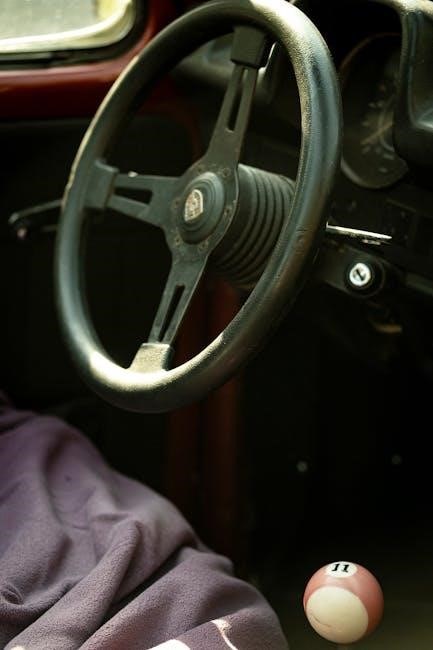
AWD manual cars represent a unique blend of driver control and all-weather capability‚ offering a connected experience. These vehicles‚ though increasingly rare‚
continue to appeal to enthusiasts seeking engagement and performance. The “all” signifies complete traction‚ while the manual transmission provides a direct link to the engine.
The combination delivers enhanced control‚ especially in challenging conditions‚ making it a compelling choice for those prioritizing driving dynamics and versatility.
What Defines an AWD Manual Vehicle?
An All-Wheel Drive (AWD) manual vehicle fundamentally combines two distinct drivetrain technologies. AWD systems distribute power to all four wheels‚ enhancing traction‚ particularly on slippery surfaces like snow‚ ice‚ or loose gravel. This differs from two-wheel drive‚ where power is sent to only two wheels.
Crucially‚ a manual transmission requires the driver to manually select gears using a clutch pedal and a gear stick‚ offering a direct mechanical connection and greater control over the engine’s power delivery. The “all” in AWD signifies complete engagement of the wheels.
Therefore‚ an AWD manual car isn’t simply about having both features; it’s about the synergy between them. It’s a vehicle where the driver actively manages both power distribution and gear selection‚ resulting in a uniquely engaging and capable driving experience.
The Appeal of a Manual Transmission
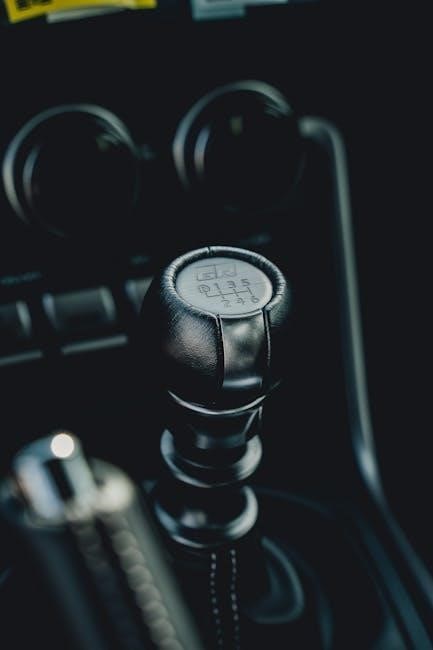
The enduring appeal of a manual transmission lies in its direct connection between driver and machine. Unlike automatics‚ manuals demand active participation‚ fostering a sense of control and engagement often missing in modern vehicles. This tactile experience – feeling the gears mesh‚ mastering the clutch – is highly rewarding for driving enthusiasts.
Beyond the sensation‚ manuals often offer greater fuel efficiency and simpler mechanics‚ potentially lowering maintenance costs. The ability to choose the precise gear for any situation allows for optimized performance and engine braking.
For many‚ a manual isn’t just a way to drive; it’s a skill‚ a preference‚ and a connection to the history of automobiles‚ offering a purer‚ more involved driving experience.
Benefits of All-Wheel Drive
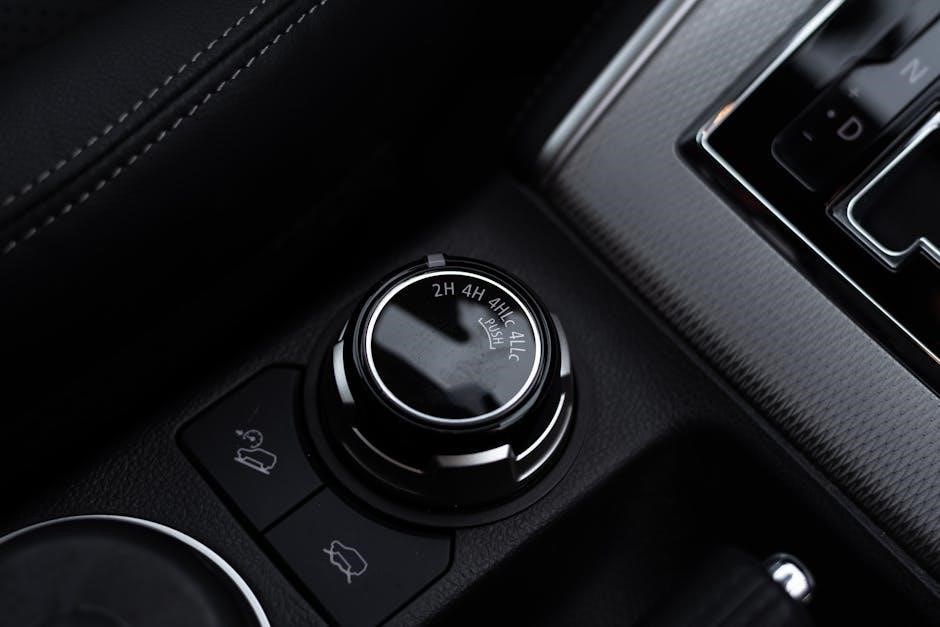
All-Wheel Drive (AWD) fundamentally enhances traction by distributing power to all four wheels‚ providing superior grip compared to two-wheel drive systems. This is particularly beneficial in adverse conditions like snow‚ ice‚ rain‚ or loose gravel‚ significantly improving stability and control.
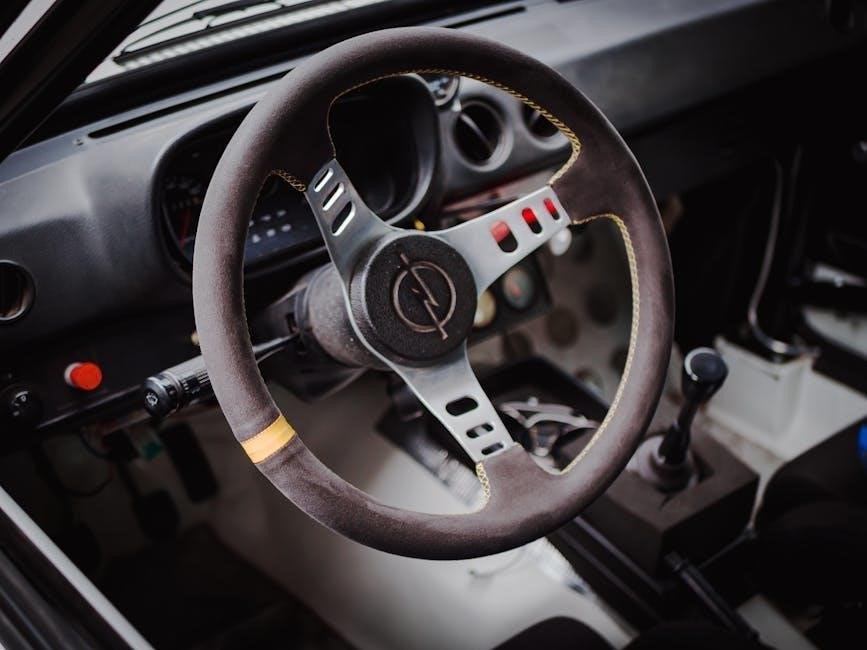
AWD isn’t solely for inclement weather; it also boosts performance on dry pavement‚ enabling quicker acceleration and more confident cornering. By minimizing wheel slip‚ AWD maximizes the transfer of power to the road‚ resulting in a more responsive and secure driving experience.
The system’s ability to adapt to varying road surfaces makes AWD vehicles incredibly versatile‚ suitable for both daily commuting and adventurous explorations.
Current AWD Manual Car Options (2026)
As of 2026‚ the selection of AWD manual transmission vehicles is limited‚ but several models remain available‚ primarily from Subaru and Volkswagen‚ catering to enthusiast drivers.
Subaru Models: A Strong Contender
Subaru consistently stands out as a champion of the AWD manual transmission‚ offering several models that cater to drivers seeking a connected and capable experience. Their symmetrical all-wheel drive system‚ paired with a manual gearbox‚ provides exceptional traction and control in diverse conditions.
Subaru’s commitment to this configuration makes them a popular choice among enthusiasts. They understand the appeal of a driver-focused experience‚ and continue to deliver vehicles that prioritize engagement. This dedication sets them apart in a market increasingly dominated by automatic transmissions‚ solidifying their position as a strong contender for those seeking a true driving experience.
Subaru WRX: Performance and Handling
The Subaru WRX embodies the spirit of a performance AWD manual car. Renowned for its responsive handling and turbocharged engine‚ the WRX delivers an exhilarating driving experience. The six-speed manual transmission allows for precise gear changes‚ maximizing control and driver engagement.
Combined with Subaru’s symmetrical all-wheel drive‚ the WRX offers exceptional grip and stability‚ even on challenging surfaces. This translates to confident cornering and impressive acceleration. It’s a favorite among enthusiasts who appreciate a raw‚ connected feel‚ making it a benchmark for affordable performance and a true testament to the joy of driving.
Subaru Outback: Versatility and Capability
The Subaru Outback‚ while often associated with practicality‚ offers a compelling AWD manual experience for those seeking adventure. Its robust construction and standard all-wheel drive provide exceptional capability in diverse conditions‚ from snowy roads to gravel paths. The manual transmission adds a layer of driver control‚ enhancing the feeling of connection with the vehicle and terrain.
The Outback’s spacious interior and ample cargo space make it ideal for outdoor enthusiasts and families. It’s a vehicle that seamlessly blends everyday usability with off-road prowess‚ proving that a manual transmission doesn’t have to compromise versatility. It’s a reliable and capable companion for any journey.
Volkswagen Options: European Engineering
Volkswagen historically offered a refined approach to AWD manual vehicles‚ showcasing European engineering principles. While options are becoming limited‚ the brand’s commitment to performance and build quality remains evident in available models. Volkswagen’s AWD systems typically prioritize on-road dynamics‚ delivering a balanced and engaging driving experience.
The emphasis is on precise handling and responsive control‚ making these cars enjoyable on winding roads. The manual transmission complements this ethos‚ providing a direct connection between driver and machine. Volkswagen’s offerings represent a sophisticated alternative within the AWD manual segment‚ blending practicality with a touch of sporty flair.
Volkswagen Golf R: A Hot Hatch Icon
The Volkswagen Golf R stands as a benchmark in the hot hatch segment‚ and its availability with a manual transmission and 4MOTION all-wheel drive elevates its appeal. This combination delivers exhilarating performance‚ blending a potent turbocharged engine with surefooted handling. The Golf R’s AWD system intelligently distributes power‚ maximizing traction and stability in various conditions.
The manual gearbox provides a rewarding and engaging driving experience‚ allowing drivers to fully control the car’s power delivery. It’s a vehicle that excels both on the track and during daily commutes‚ offering a unique blend of practicality and performance. The Golf R truly embodies the spirit of a driver’s car.
Other Available Models (Limited)
Beyond Subaru and Volkswagen‚ finding AWD manual cars in 2026 presents a significant challenge. Options are increasingly niche‚ often limited to smaller manufacturers or special editions. Some older models might be available on the used market‚ but new production is scarce. Enthusiasts may explore vehicles from brands like Lotus‚ though configurations are exceptionally rare and demand is high.
These limited offerings often require dedicated searching and a willingness to compromise on features or availability. The dwindling number underscores the broader trend away from manual transmissions and towards automated systems. Discovering these hidden gems requires patience and a strong connection within car enthusiast communities.
Exploring Niche AWD Manual Cars
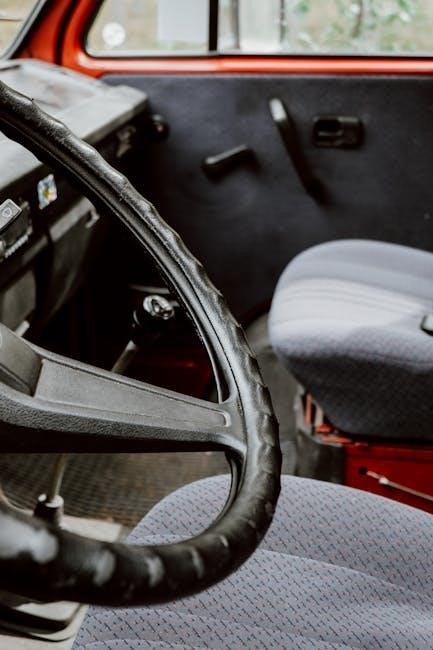
Venturing beyond mainstream options reveals a fascinating‚ albeit limited‚ world of niche AWD manual cars. These often represent unique engineering approaches or cater to specific driving experiences. Consider older Mitsubishi Lancer Evolution models‚ highly sought after for their rally-bred performance and engaging manual transmissions. Certain limited-production sports cars occasionally offer AWD with a manual‚ appealing to purists.
These vehicles demand diligent research and often come with higher price tags due to their rarity and enthusiast following. Expect potential maintenance complexities and a focus on driving enjoyment over modern conveniences. Exploring these options requires a dedicated search and a willingness to embrace a less conventional automotive experience.
Why are AWD Manual Cars Becoming Rare?
Declining consumer demand‚ coupled with automaker prioritization of automatic transmissions and the rise of EVs‚ contributes to the dwindling availability of AWD manual cars.
Shifting Consumer Preferences
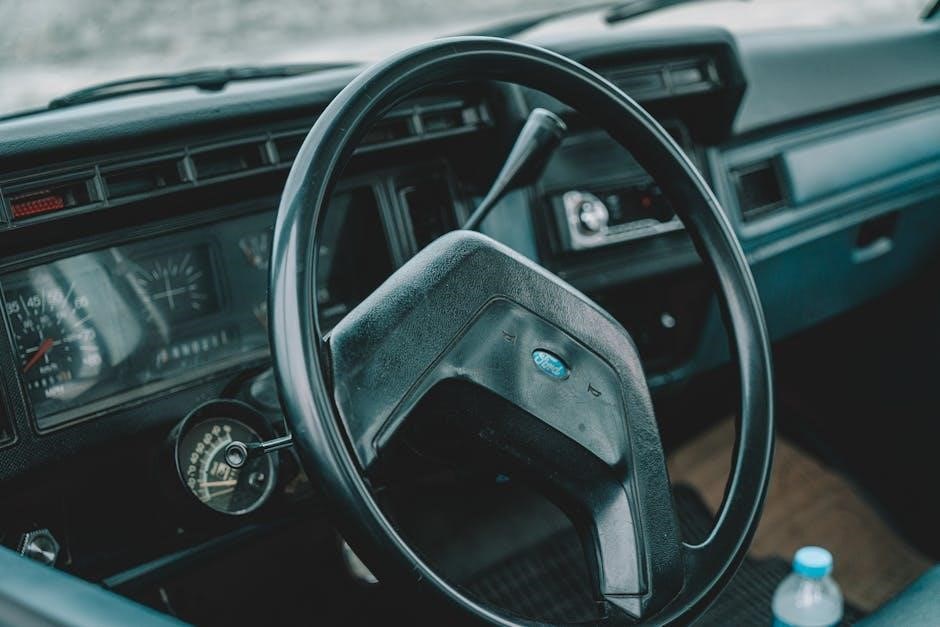
Modern drivers increasingly favor the convenience and ease of automatic transmissions. A significant portion of the market prioritizes a relaxed driving experience‚ particularly in congested urban environments. This trend is especially pronounced among newer drivers who often lack experience – or interest – in mastering a manual gearbox.
Furthermore‚ the perception of manual transmissions as requiring more driver effort and potentially impacting fuel efficiency contributes to their declining popularity. While this isn’t always the case‚ the prevailing attitude steers consumers towards automatics. The demand for simplicity and accessibility overshadows the engagement offered by a manual system‚ impacting AWD manual car production.
Automaker Focus on Automatic Transmissions
Car manufacturers are heavily investing in automatic transmission technology‚ including advanced multi-gear systems and continuously variable transmissions (CVTs). This focus stems from market demands and the pursuit of improved fuel economy and emissions standards. Automatics often allow for more precise engine control‚ optimizing performance and efficiency.
Developing and producing manual transmissions requires dedicated resources‚ which automakers are redirecting towards electric vehicle (EV) technology and sophisticated automatic gearboxes. The limited demand for AWD manual cars doesn’t justify the substantial investment needed for continued development and refinement. This strategic shift further diminishes the availability of these vehicles.
The Rise of Electric Vehicles
The accelerating adoption of electric vehicles (EVs) significantly impacts the future of manual transmissions‚ and consequently‚ AWD manual cars. EVs inherently offer instant torque and often utilize all-wheel drive configurations through dual-motor setups‚ achieving superior traction without the need for a traditional gearbox.
Furthermore‚ the simplicity of EV powertrains reduces manufacturing complexity and cost. Automakers are prioritizing EV development‚ diverting resources away from internal combustion engine (ICE) vehicles and their associated manual transmission options. As EV infrastructure expands and battery technology improves‚ the appeal of AWD manual cars will likely continue to diminish‚ accelerating their decline in the automotive market.
The Driving Experience: AWD Manual Advantages
AWD manual cars deliver exceptional traction‚ engaging control‚ and a uniquely connected driving experience. This combination enhances performance across diverse terrains and conditions‚ fostering driver enjoyment.
Enhanced Traction and Control
All-wheel drive (AWD) fundamentally alters a vehicle’s grip‚ distributing power to all four wheels instead of just two. This dramatically improves traction‚ particularly on slippery surfaces like snow‚ ice‚ gravel‚ or even wet pavement. When paired with a manual transmission‚ the driver gains precise control over power delivery‚ selecting the optimal gear for maximizing grip and minimizing wheelspin.
This synergy allows for confident cornering and acceleration in conditions where a two-wheel-drive vehicle might struggle. The driver actively manages the engine’s output‚ further enhancing control and responsiveness. The manual transmission’s direct connection provides immediate feedback‚ allowing for nuanced adjustments based on road conditions and driver input‚ resulting in a more secure and engaging driving experience.
Driver Engagement and Fun
AWD manual cars offer a uniquely engaging driving experience‚ appealing to enthusiasts who relish a direct connection with their vehicle. The manual transmission demands active participation – selecting gears‚ controlling the clutch‚ and managing engine speed – fostering a sense of involvement often absent in automatic vehicles. This isn’t simply about control; it’s about feeling the road.
Combining this with the confidence-inspiring grip of all-wheel drive elevates the fun factor. The ability to confidently tackle challenging roads‚ combined with the satisfying mechanical interaction of a manual gearbox‚ creates a rewarding and immersive driving experience. It’s a visceral connection that transforms everyday commutes into enjoyable adventures‚ appealing to those who truly love to drive.
Performance Benefits in Various Conditions
AWD manual cars excel in diverse driving scenarios‚ offering significant performance advantages. The all-wheel drive system distributes power to all four wheels‚ maximizing traction on slippery surfaces like snow‚ ice‚ or gravel. This translates to quicker acceleration and improved stability compared to two-wheel drive counterparts.
The manual transmission allows drivers to precisely control engine RPM‚ optimizing power delivery for specific conditions. Whether launching from a standstill‚ navigating winding roads‚ or climbing steep inclines‚ the driver has ultimate control. This combination provides enhanced control and responsiveness‚ resulting in a more confident and capable driving experience‚ regardless of the weather or terrain.
Maintenance and Reliability Considerations
AWD manual cars may present higher maintenance costs due to complex systems. Regular servicing of the transmission and AWD components is crucial for longevity and optimal performance.
Potential Maintenance Costs
AWD manual vehicles often require more frequent and potentially expensive maintenance compared to their automatic or two-wheel-drive counterparts. The manual transmission itself necessitates clutch replacements‚ a significant cost that varies based on vehicle and driving habits.
Furthermore‚ the all-wheel-drive system introduces additional components – differentials‚ transfer cases‚ and driveshafts – all susceptible to wear and tear. Fluid changes for these systems are vital‚ and repairs can be complex and costly. Expect to budget for potential issues with wheel bearings and CV joints‚ frequently stressed by the AWD system’s demands. Proactive maintenance‚ while adding to upfront costs‚ can prevent larger‚ more expensive repairs down the line.
Transmission Specific Concerns
Manual transmissions in AWD vehicles face unique stresses. The added load of powering all four wheels can accelerate clutch wear‚ demanding more frequent replacements. Improper shifting techniques‚ particularly aggressive launches‚ exacerbate this issue.
Synchro rings‚ crucial for smooth gear changes‚ are also vulnerable‚ especially with spirited driving. Regular transmission fluid checks and changes are vital‚ using the manufacturer’s specified fluid type. Ignoring this can lead to internal damage and costly repairs. Furthermore‚ the linkage between the shifter and transmission requires periodic inspection and adjustment to maintain precise engagement. Skilled driving and diligent maintenance are key to longevity.
AWD System Servicing
AWD systems require specialized maintenance beyond standard vehicle servicing. Differential fluids – front‚ center‚ and rear – need periodic replacement‚ typically every 30‚000 to 60‚000 miles‚ depending on driving conditions. Neglecting this can cause internal wear and eventual failure.
Viscous couplings or electronically controlled clutches‚ integral to AWD operation‚ demand inspection for proper function. Sensors and actuators within the system should be tested regularly to ensure accurate power distribution. Tire wear monitoring is crucial; mismatched tires can negatively impact AWD performance and potentially damage the system. Professional diagnosis and repair are recommended for complex AWD issues.
The Future of AWD Manual Cars
AWD manuals face uncertainty‚ yet enthusiast demand and potential limited editions offer a glimmer of hope. Community support may influence automakers to reconsider their offerings.
Will They Make a Comeback?
The resurgence of AWD manual cars hinges on a complex interplay of factors. While mainstream demand leans towards automatics and EVs‚ a dedicated enthusiast base persists‚ actively seeking the engaging driving experience these vehicles provide. Automakers might respond with limited-edition models‚ capitalizing on nostalgia and offering a unique proposition for driving purists.
However‚ significant shifts in the automotive landscape – including tightening emissions regulations and the rising cost of developing manual transmissions – present substantial hurdles. A full-scale comeback seems unlikely‚ but a niche existence‚ sustained by passionate communities and strategic manufacturer offerings‚ remains a distinct possibility. The future depends on balancing profitability with preserving driving enjoyment.
Potential for Limited-Edition Models
Automakers could strategically revive the AWD manual configuration through limited-edition releases. These models would cater directly to enthusiast demand‚ offering a unique selling point beyond mainstream preferences. Such editions might feature enhanced performance components‚ exclusive styling cues‚ and a focus on driver engagement‚ justifying a higher price point.
This approach allows manufacturers to gauge continued interest without significant investment in widespread production. Limited runs create exclusivity and collectibility‚ further appealing to the target audience. These models could serve as a “halo” effect‚ boosting brand image and attracting attention to the broader lineup. It’s a calculated risk‚ but one that could reignite passion for the driving experience.
The Role of Enthusiast Communities
Dedicated enthusiast communities play a vital role in preserving the AWD manual driving experience. Online forums‚ car clubs‚ and social media groups foster a shared passion‚ providing platforms for knowledge sharing‚ technical support‚ and advocacy. These communities actively maintain and restore existing vehicles‚ ensuring their longevity.
They also exert influence on automakers‚ demonstrating continued demand for manual transmissions and AWD systems. Enthusiast voices can impact product development and marketing strategies. Furthermore‚ these groups organize events and driving experiences‚ promoting the unique appeal of these cars and attracting new enthusiasts to the fold‚ keeping the spirit alive.